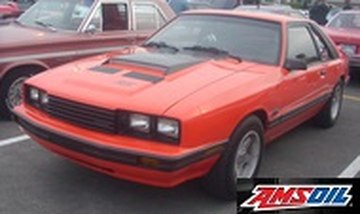
Lubrication Maintenance for the 1982 Mercury CAPRI 4.2L
Maintaining a vehicle from the early 1980s requires a shift in perspective compared to modern automotive care. For owners of a 1982 Mercury CAPRI equipped with the 4.2L engine, routine service is not just about following a schedule, but about active monitoring and understanding how aging components interact with various fluids. Proper lubrication management is a cornerstone of preserving the mechanical integrity of this engine over time.
Monitoring Fluid Integrity and Condition
One of the most effective ways to monitor the health of the 4.2L engine is through regular observation of the lubricant itself. While many owners focus solely on the volume of oil, the physical condition of the fluid can provide significant clues regarding internal engine state. When performing a routine check, it is useful to observe the color and consistency of the oil.
If the oil appears excessively dark or contains visible particulate matter, it may indicate that the lubricant has reached the end of its effective service life or that the filtration process is not keeping up with engine debris. Furthermore, any unusual odor or a milky appearance in the oil warrants immediate investigation, as these can be associated with various internal issues that require professional diagnosis. Consistent monitoring allows an owner to move from reactive repairs to proactive maintenance, addressing potential concerns before they escalate into more significant mechanical complications.
Observing Potential Warning Signs
A vehicle of this age may exhibit subtle changes in behavior that serve as early indicators for maintenance needs. Rather than waiting for a major failure, owners should remain attentive to several key signs during operation and stationary inspections:
- Visible Seepage: Inspecting the area around the engine for any evidence of fluid leakage is essential. Even small amounts of seepage on gaskets or seals can eventually lead to significant oil loss if left unaddressed.
- Changes in Consumption: If you notice that you are needing to add lubricant more frequently than in previous months, this change in consumption should be investigated. Unusual consumption rates can be linked to various factors ranging from seal aging to other internal mechanical changes.
- Unusual Noises: Any new or changing mechanical sounds during engine startup or while idling may indicate that lubrication is not reaching critical areas as effectively as it once did.
It is important to remember that these symptoms can have multiple causes. A single observation, such as a small leak or a change in sound, does not definitively point to one specific failed component. Instead, these signs should be treated as prompts for a more thorough inspection of the engine and its supporting systems.
Prioritizing Long-Term Engine Care
As vehicles age, the strategy for maintenance often shifts from strictly following mileage intervals to a condition-based approach. For the 1982 Mercury CAPRI, this means prioritizing tasks based on what is actually happening with the vehicle rather than relying solely on what was standard decades ago.
Establishing a maintenance baseline is highly beneficial if the previous service history of the 4.2L engine is unknown. By documenting every oil change, filter replacement, and inspection, an owner creates a roadmap of the vehicle's health. This record-keeping makes it much easier to identify when a trend is developing—such as a gradual increase in fluid consumption or a recurring minor leak.
When deciding where to focus resources, addressing active leaks or signs of component deterioration should take precedence over purely cosmetic or non-essential tasks. If the vehicle has been sitting for extended periods, inspecting age-sensitive materials like rubber hoses (if present) and accessible belts (if equipped) is a logical first step before returning to regular driving cycles.
Managing Aging Components and Seals
The materials used in 1982 were designed for durability, but all organic and synthetic seals and gaskets are subject to the effects of time and thermal cycling. Over years of operation, these components can lose their ability to maintain a perfect seal. When performing routine maintenance, it is wise to look for signs of age-related seepage around various engine junctions.
If you notice minor weeping from a seal, some owners consider the use of high-mileage oil formulations. These specific lubricants often contain additives intended for use in aging engines, including seal-conditioning agents that may help maintain the pliability of certain materials. However, these products are not a substitute for repairing a significant leak and should be viewed as one part of a broader maintenance strategy.
Additionally, if the vehicle is equipped with various drive belts, inspecting them for signs of cracking, glazing, or fraying is a prudent preventive measure. While these belts may not be directly related to the lubrication of the engine internals, their condition is vital to the overall reliability of the engine's accessory systems.
Effective Record Keeping for Ownership
For those committed to the long-term preservation of a 1982 Mercury CAPRI, maintaining a detailed service log is one of the most valuable tools available. A well-kept log should include not only the date and mileage of every oil change but also observations made during inspections. For example, noting that "slight seepage observed at the rear of the engine" during a routine check allows you to track whether that seepage is increasing or remaining stable over several months.
This level of detail provides clarity when discussing the vehicle with a mechanic and helps prevent unnecessary part replacements by distinguishing between an active problem and a stable, aging component. Consistent documentation transforms maintenance from a series of isolated events into a continuous history of the vehicle's mechanical life.
Practical Advice for BUYING ENGINE OIL for your 1982 Mercury CAPRI 4.2L
When it is time to replenish your engine lubricant, the most important step is to ensure that the product you select matches the specific requirements of your engine. Because different engines have unique needs regarding additive packages and viscosity, you should never rely on general automotive knowledge or assumptions based on the vehicle's age.
To ensure a correct match, always refer to the application-specific oil viscosity and lubricant information provided on this webpage. Before finalizing your purchase, check the product labeling to confirm it meets the necessary quality standards for your specific 4.2L application. Depending on your maintenance goals and the current condition of your engine, you may choose between conventional oils, synthetic blends, or full synthetic options. If your engine shows signs of higher mileage, you might also consider formulations specifically designed with seal conditioners. Always prioritize the technical specifications listed in your vehicle's documentation over marketing claims to ensure the best possible care for your 1982 Mercury CAPRI.